Regeneration Begins with you
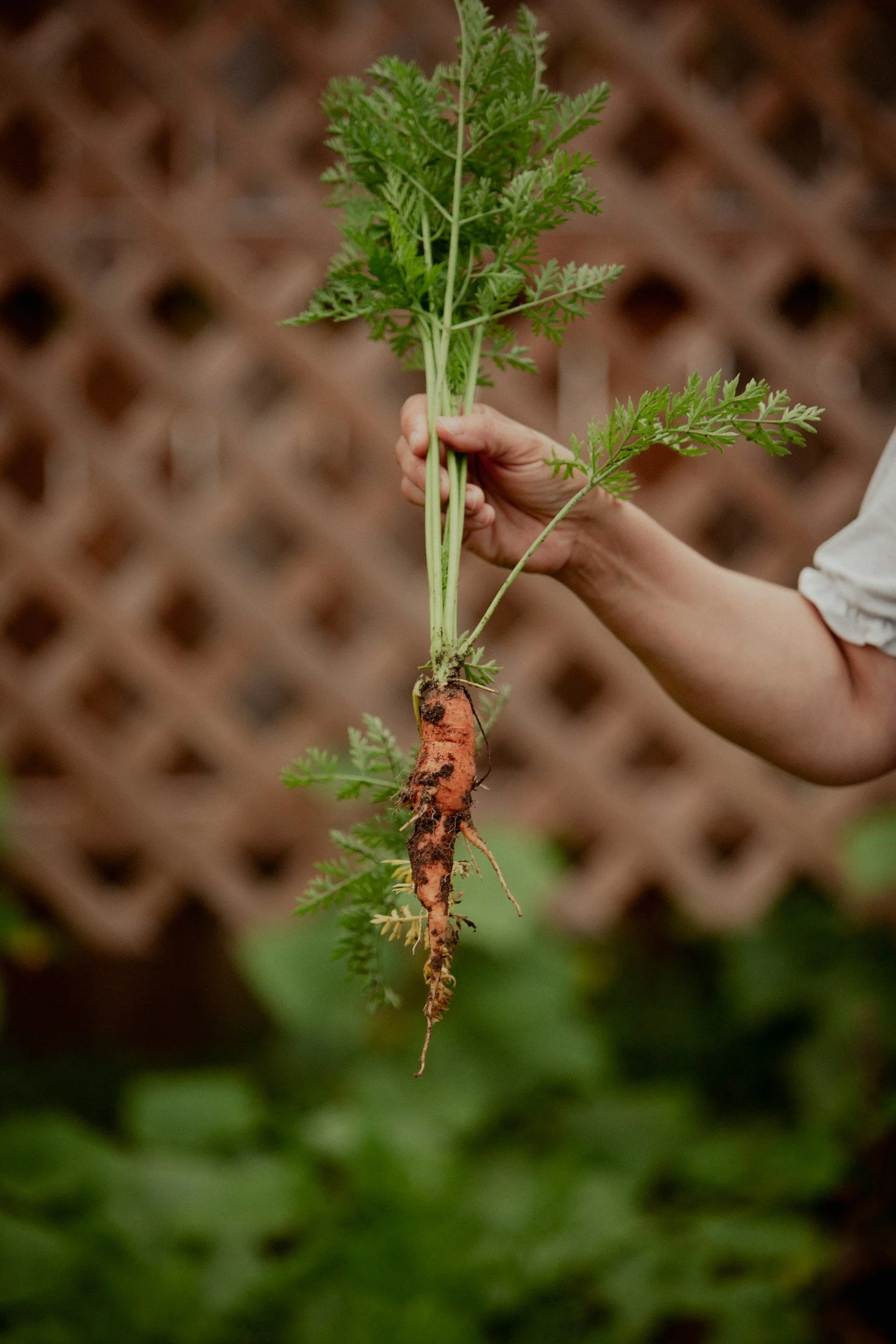

Divine Permaculture Design exists to cultivate the knowledge, imagination, and systems thinking needed to create a more regenerative future—one where people and the planet can thrive together. Through permaculture, education, and systems thinking, we explore what becomes possible when regeneration becomes the foundation for how we live, learn, and design.
The mission is simple: help people see, understand, and work with the systems around them—whether that means growing food, restoring land, rethinking a classroom, or helping an organization create more sustainable and regenerative ways of working.
EDUCATION
Divine Permaculture Design helps people develop ecological awareness and systems-thinking skills that allow them to see connections, recognize patterns, and understand their place within the larger systems they are part of.
From community workshops to higher education, these programs turn regeneration from an abstract idea into something people can see, experience, and apply—while inspiring others to co-create a regenerative future.
DESIGN
Living landscapes should support both people and the ecosystems around them.
From edible gardens and food forests to larger regenerative landscapes, each design works with natural patterns and relationships to cultivate food, biodiversity, resilience, and connection.
Landscaping can be more than decoration. It can be a source of food security, connection, and sustainability. Every project is crafted to grow fresh, nutritious food, strengthen community ties, and care for the Earth—so you can enjoy a life rooted in abundance and health.
SYSTEMS & STRATEGY
As our work expands, we are developing frameworks that help institutions, organizations, and communities explore opportunities for more connected, resilient, and regenerative systems by looking at the relationships between people, resources, infrastructure, and the environment. Because regeneration isn't just about changing what we build, it's about changing how we see—and what becomes possible when we do.

what is permaculture?
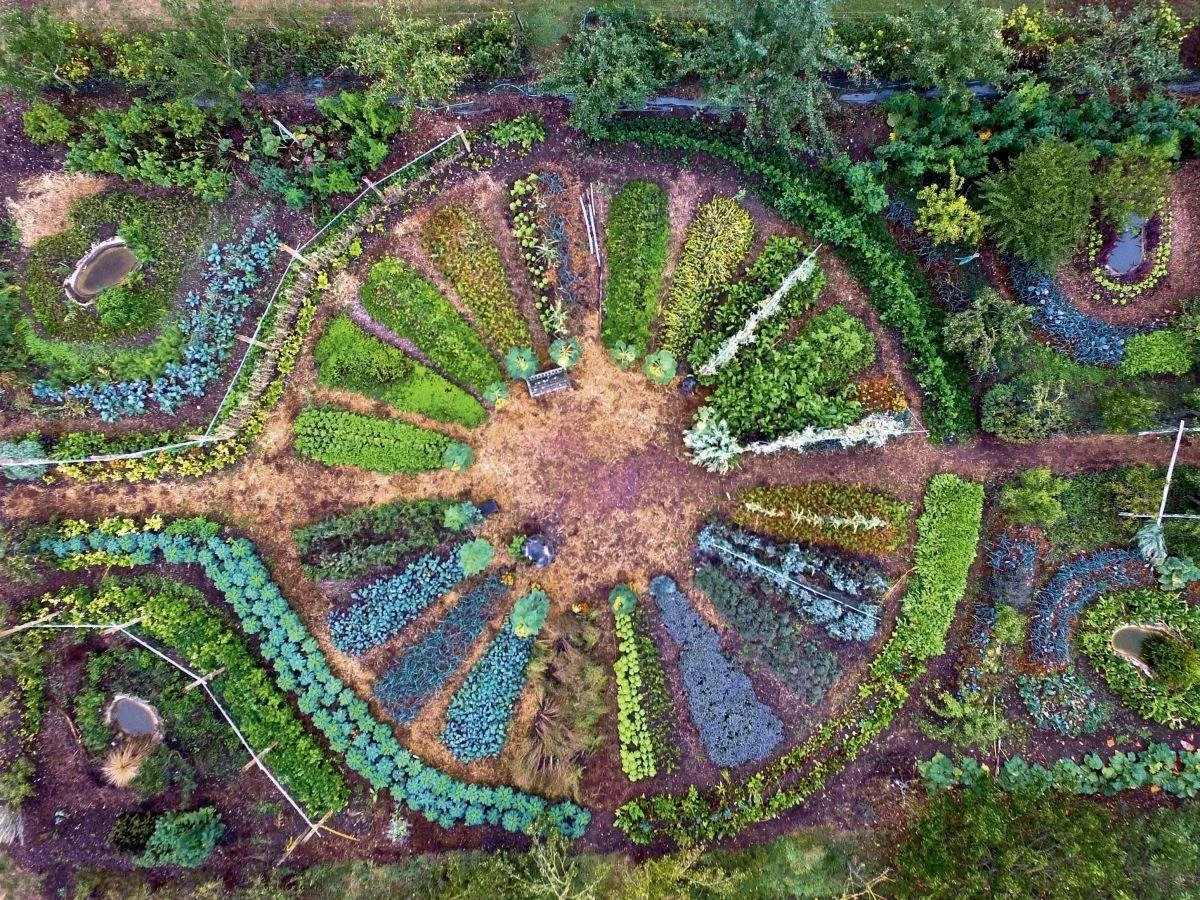
rooted in indigenous wisdom
Permaculture is a design philosophy that works with nature to create regenerative, self-sufficient ecosystems for food, shelter, and community. It combines traditional wisdom and modern science to cultivate landscapes that are resilient, regenerative, and in harmony with the environment.
benefits in permaculture gardens
Restores healthy soil and encourages wildlife
Produce higher organic yields with less effort
Builds soil health and reduces CO2 emission
Reduce water waste and runoffs
Creates strong, lasting ecosystems
Builds sustainable communities committed to stewardship.